Flying cars & eVTOL sourcing solutions
FlyingCarSupply helps buyers source flying cars, eVTOL aircraft, components and supplier routes worldwide—while separating real availability from prototypes, reservations and market hype.
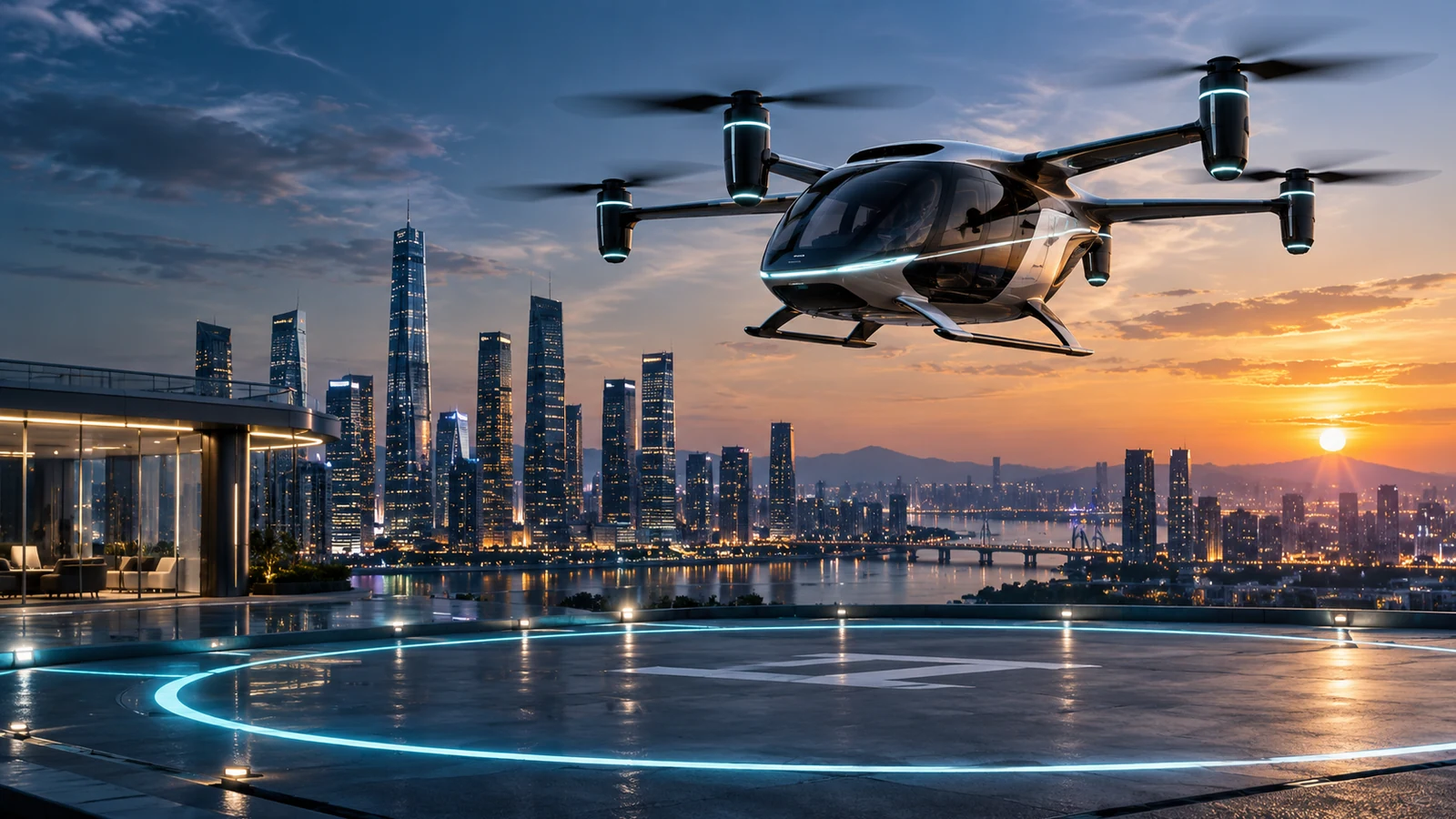
Aircraft, components and operating support, connected.
Instead of treating every aircraft as a product listing, we separate the aircraft, supply chain and operating questions that buyers actually need to resolve.
Aircraft Sourcing
Mission-led research for eVTOL aircraft, flying cars and electric aviation concepts.
Explore aircraft → 02Component Supply
Critical systems, spares, tooling and supplier-route planning around the aircraft.
Explore components → 03Fleet & Operator Support
Aircraft comparison, support-layer planning and fleet procurement structure.
Explore fleets → 04Project & OEM Support
Requirement mapping for programs that need a clearer path from concept to sourcing.
Explore advisory →Different missions need different aircraft.
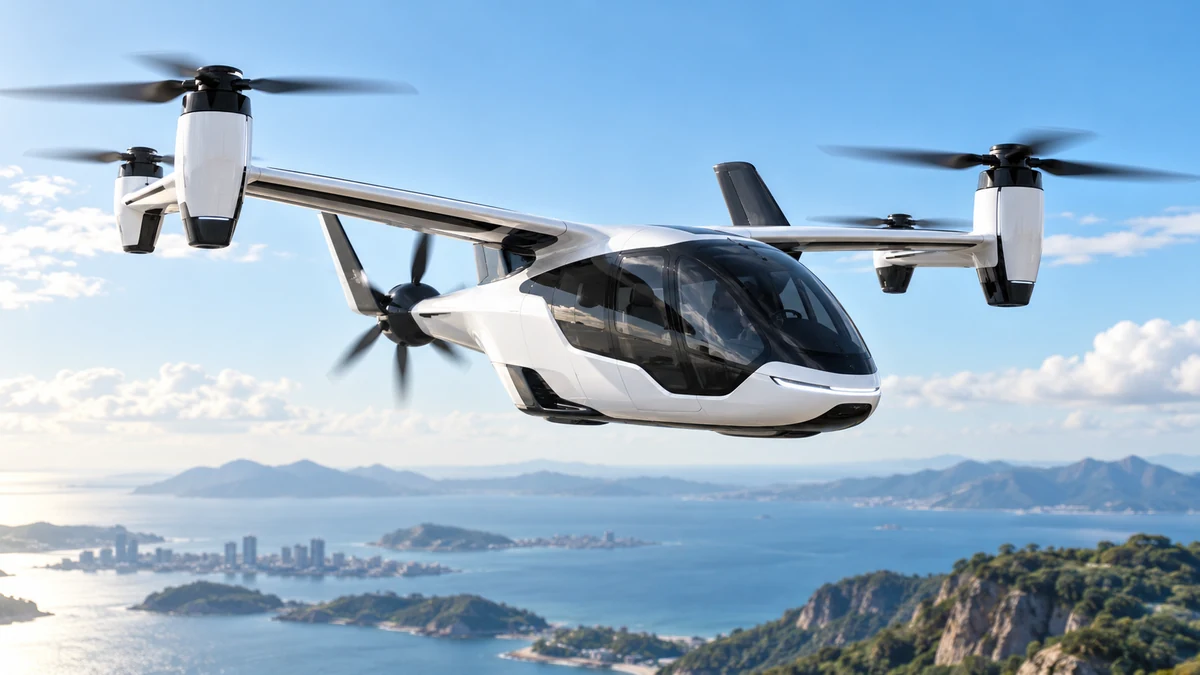
Short-range electric vertical flight
Compare mission, certification path, passenger configuration, charging and support assumptions.
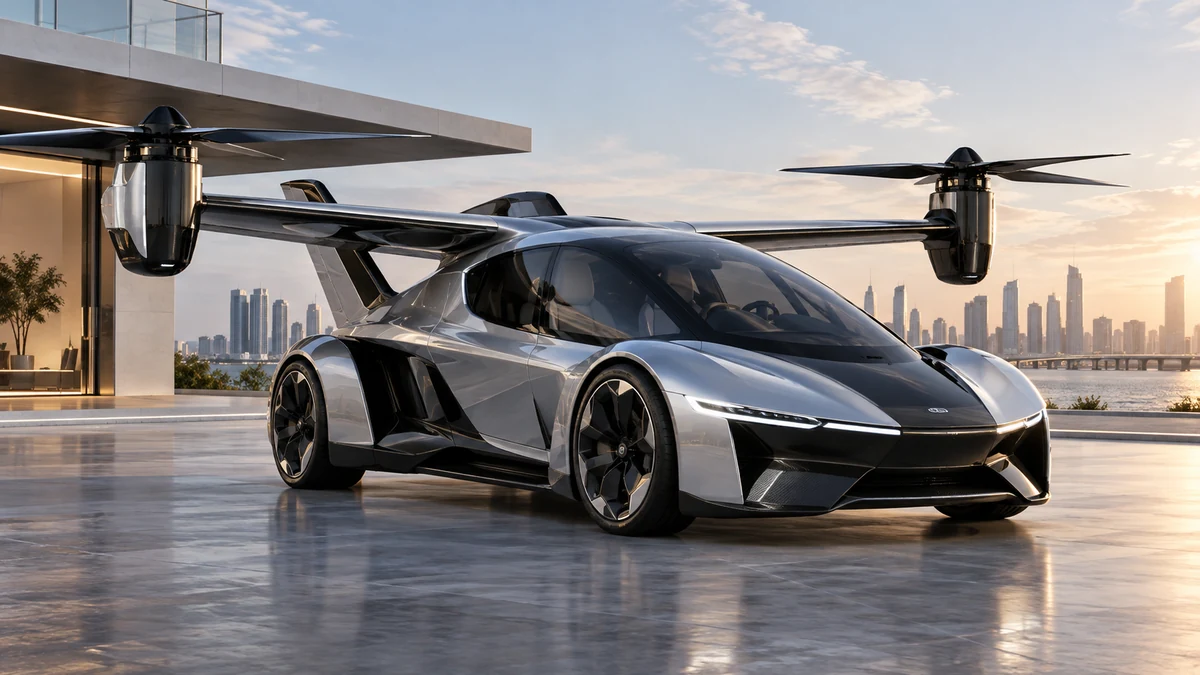
Road-and-air concepts
Start with road legality, flight mode, pilot requirements and serviceability.

Longer-range electric aviation
Different range, airport and support assumptions from urban eVTOL programs.
The aircraft is only one part of the purchase.
Propulsion Systems
Motors, inverters, rotors and powertrain interfaces.
Battery & Power
Battery packs, BMS, charging and power distribution.
Avionics & Controls
Flight control, navigation, communications and sensors.
Airframe & Structures
Composite structures, panels, fasteners and hardware.
Thermal Management
Cooling loops, heat exchangers and temperature control.
Landing Gear
Wheels, brakes, landing systems and ground interfaces.
Cabin & Interiors
Seats, restraints, cabin systems and passenger equipment.
MRO & Support
Spares, tools, consumables and maintenance planning.
Explore by sourcing need
Find the aircraft, components or operating support that fit your project.
A buying process before a buying decision.
The goal is not to force a model choice too early. It is to remove ambiguity from the request, identify what can be verified and make the next supplier conversation more useful.
See the full processDefine the mission
Use case, region, payload, range, quantity and timeline.
Map the requirement
Aircraft category, components, support, documentation and constraints.
Compare the route
Suppliers, readiness, commercial assumptions and open questions.
Plan delivery & support
Parts, ground equipment, training, maintenance and longer-term supply.
Useful guidance for serious buyers.

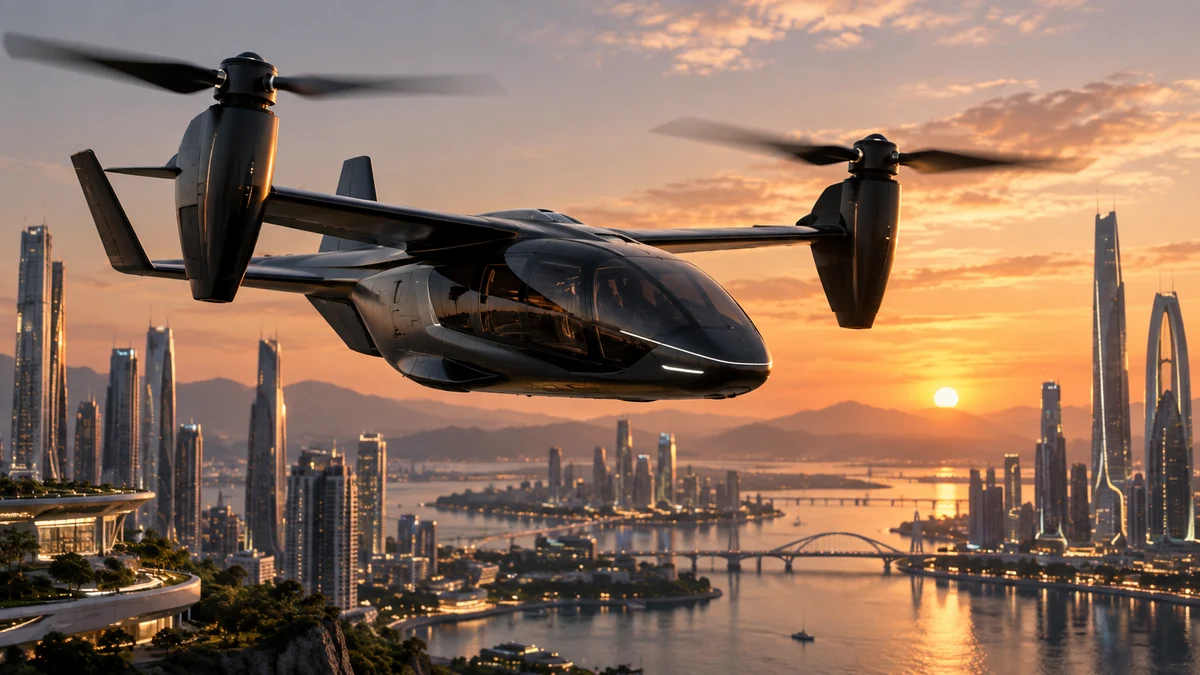
Low-altitude economy & logistics
Explore cargo drones, low-altitude logistics, drone delivery, infrastructure, charging, components and related sourcing opportunities.
What should buyers verify before contacting suppliers?
Start with the mission, then verify product status, jurisdiction, commercial terms and the support layer. That sequence prevents a compelling headline from becoming an expensive sourcing mistake.
A practical comparison frame
| Purchase path | First question | Evidence to request | Support to map |
|---|---|---|---|
| Aircraft / eVTOL | Does it fit the mission and jurisdiction? | Current certification, production and delivery status | Training, spares, maintenance, charging and ground interfaces |
| Components | Is the part technically compatible and traceable? | Specification, quality system, test data and documentation | Alternates, recurring supply, tooling and MRO |
| Fleet / logistics | Can the route operate at the required tempo? | Utilization, turnaround, reserve and site assumptions | Ground systems, dispatch, energy, maintenance and staffing |
| Distribution / opportunity | What rights and obligations are actually granted? | Legal entity, territory, exclusivity and written commercial terms | Demo units, inventory, marketing, warranty and after-sales duties |
Questions that change the sourcing route
Can I buy a flying car or eVTOL today?
Some products accept reservations or orders while others remain in development or certification. The useful answer is model- and jurisdiction-specific, so current manufacturer and authority information should be checked before money is committed.
Is the advertised price the real project cost?
Usually not by itself. A complete comparison can include deposits, options, shipping, import costs, charging or ground equipment, training, spares, maintenance and local compliance work.
Why source components and infrastructure as well as aircraft?
Aircraft availability is only one part of deployment. Batteries, power electronics, avionics, structures, charging, ground support, spares and MRO can determine whether a project is practical and scalable.
Regulatory reference points
These official sources are useful starting points for current powered-lift and advanced-air-mobility rules. They do not replace project-specific regulatory advice.
Status, rules and commercial terms can change. Use current authority and manufacturer documents before making a purchase, investment or operating decision.